TL;DR (direct answer)
A strong esthetics program in California should pair state board–aligned hours with real-world practice. Pacific Styling College combines hands-on training in a professional clinic, bilingual English and Spanish instruction, and a 600-hour curriculum aimed at California licensure—while the wider skincare field and esthetics career outlook continue to grow.
California’s esthetics boom
California’s beauty and wellness sector is expanding rapidly. Employment of skincare specialists is projected to climb 7% between 2024 and 2034, creating about 14,500 openings every year, while the global skincare market is expected to surge from $162 billion in 2025 to over $222 billion by 2030. In this environment, an esthetics career offers stability and creativity. If you are comparing schools, start with our state-board-ready esthetics program overview, then learn about admissions requirements and timelines.
Why is the skincare market growing?
Skincare sits at the heart of the beauty economy. Analysts estimate that skincare products generated roughly 44 percent of global beauty revenue in 2023 and that the industry will grow from about $162 billion in 2025 to more than $222 billion by 2030, a 6.5 percent compound annual growth rate. Within the United States, sales were around $22.9 billion in 2023, and market research forecasts annual growth of about 4.2 percent through 2030. The U.S. accounts for roughly 16 percent of global skincare spending, so American estheticians work in one of the world’s largest markets.
What is the job outlook for estheticians?
The U.S. Bureau of Labor Statistics projects that employment of skincare specialists (estheticians) will grow 7 percent from 2024 to 2034, faster than the average for all occupations. This growth will create about 14,500 job openings each year as demand rises and existing workers retire or move into other roles. California’s state board requires estheticians to complete an approved program and pass an exam to obtain licensure — see the California Board of Barbering and Cosmetology for official licensing rules — so choosing a school that meets these standards is crucial. Ready to visit campus? Schedule a tour to see training spaces and clinic flow firsthand.
What can estheticians earn?
Salary ranges vary by location, experience, and specialization. According to industry reports, entry-level estheticians typically earn $17–22 per hour, mid-career professionals $24–30 per hour, and experienced specialists $35–50 per hour. The U.S. Bureau of Labor Statistics lists the median hourly wage at $19.98 in May 2024, with the top 10 percent earning more than $37 per hour. Specialized services such as medical esthetics, microdermabrasion, and laser treatments often command higher rates and support entrepreneurship.
Why become an esthetician?
Esthetics blends creativity, science, and human connection. If you want a portable esthetics career with room to grow, this path rewards continued learning. You can apply today to lock a seat in the next cohort while you review financing and prerequisites on our admissions page.
- Wellness & service: Estheticians help clients improve skin health, reduce stress through massage, and boost self-confidence. Many professionals describe their work as a career of service.
- Specialized skills & technology: The field offers ongoing training in advanced techniques—from microdermabrasion and chemical peels to laser treatments and microneedling—with professional products and equipment. Emerging modalities can open niche, premium services.
- Business training & entrepreneurship: Many esthetician programs include business fundamentals so graduates can build a book, market services, or plan a spa. Low barriers and portable skills support new business owners.
- Flexibility & portability: Estheticians often choose part-time, full-time, or independent contractor schedules. Credentials can support relocation when paired with each state’s rules.
- Fulfilling work environment: Beauty services have historically shown resilience in downturns, and many estheticians report high satisfaction helping clients feel confident.
Why does hands-on training matter?
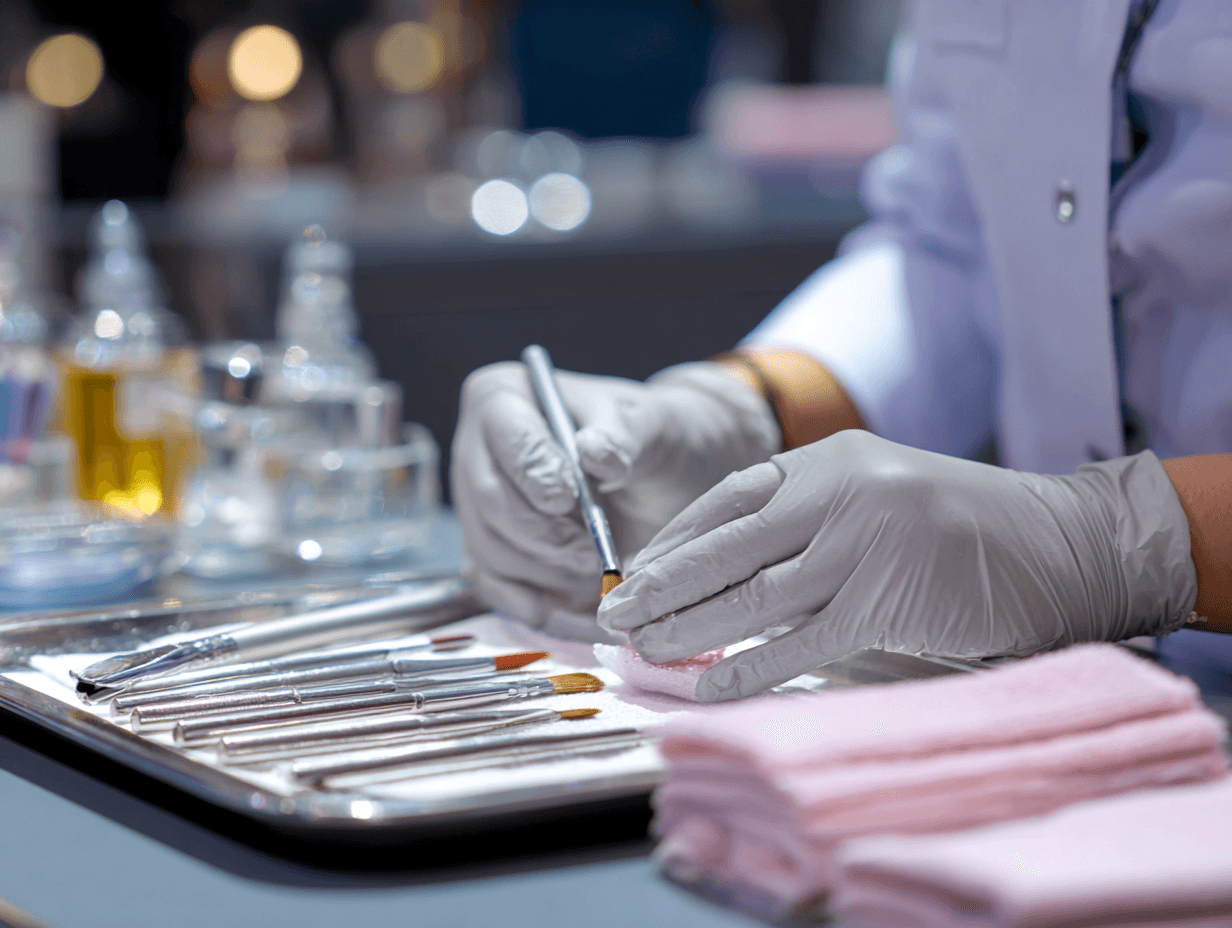
The esthetics profession is tactile. Lectures build theory, but hands-on practice is essential for mastering facial techniques, extractions, dermaplaning, microneedling, and other advanced procedures—the core of hands-on training employers expect. Practical reps build muscle memory and confidence that online-only study cannot replace. Educators report that supervised practice improves professionalism, client communication, and exam readiness. Without it, students may struggle to work safely across skin types. Explore how we structure labs in our esthetician program details.
How do bilingual skills help your esthetics career?
Why does language matter in California?
Language shapes trust in treatment rooms. About 44.9 million people in the United States speak Spanish at home, accounting for 1 in 7 Americans. California has the highest share of Spanish speakers: 28.8 percent of residents use Spanish at home. In Santa Ana and nearby communities, salons and med-spas serve a large Hispanic clientele, so bilingual estheticians are in demand. Our bilingual esthetician program options are built for that reality.
What are the benefits of bilingualism?
Bilingualism supports memory and problem-solving and expands cross-cultural communication. In beauty, bilingual professionals can attract a diverse clientele and help bridge staff and client conversations. Many postings explicitly request bilingual talent. Exposure to varied beauty traditions can also sharpen trend awareness. Contact us if you want to discuss language support before you schedule a tour.
How does Pacific Styling College prepare you for success?
Located in Santa Ana, Pacific Styling College offers a state-board-approved, 600-hour esthetician program aligned with California licensing expectations. The following sections summarize how we combine hands-on training with a bilingual esthetician program experience. Learn about admissions steps and documents in one place.
How do you become state board ready?
The curriculum aligns with California exam expectations. By completing 600 hours of instruction—often completed in as little as about four months for accelerated full-time students, or longer with part-time or evening schedules—students graduate prepared to sit for the state board exam and pursue employment.
What schedule options are available?
Students can choose day or evening schedules, with full-time and part-time options. The program is offered in person or through a hybrid format that blends online coursework with on-campus clinics—helpful if you are balancing work or family. When you are ready to commit, apply today and note your preferred format on the form.
Where do you get real clinic experience?
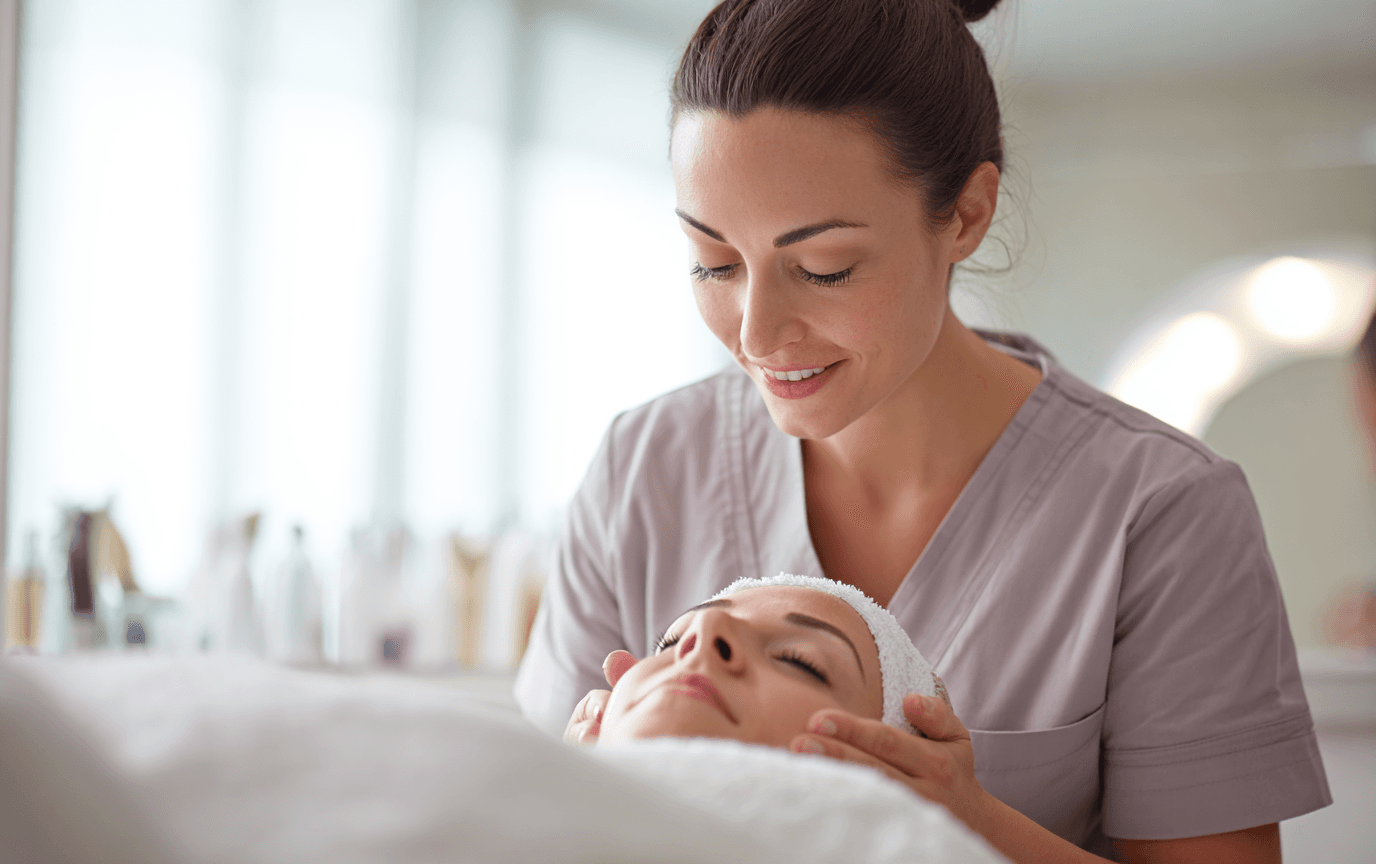
Pacific Styling College operates a professional clinic where students practice on real clients using state-of-the-art equipment and premium skincare products. That repetition builds confidence, supports portfolio work, and prepares you for varied skin types before graduation.
Is bilingual instruction offered?
Yes. The college provides bilingual instruction in English and Spanish. Students may complete the entire program in Spanish or receive support materials in their preferred language—reducing language barriers around complex terminology and preparing graduates to serve Spanish-speaking clients.
Program highlights at a glance
| Feature | Details |
|---|---|
| Duration | ~4 months full-time (longer part-time) |
| Total hours | 600 hours |
| Schedule options | Day & evening |
| Format | In-person & hybrid |
| Languages | English & Spanish |
| Licensure | State board ready |
What is your next step toward an esthetics career?
The beauty and wellness industry is thriving. Strong employment growth, rising consumer demand, and flexible career paths make esthetics attractive. Hands-on training builds technical mastery, while bilingual skills help you serve California’s diverse clientele. Pacific Styling College combines both in a comprehensive, state-board-approved path. When you are ready, return to our state-board-ready esthetics program page, then schedule a tour or apply today.
FAQ
How long does the esthetician program at Pacific Styling College take?
The program is 600 hours. Many students finish in as little as about four months on an accelerated full-time schedule; evening, part-time, or hybrid pacing often takes longer depending on weekly hours, while meeting the same state board requirements.
Is bilingual instruction available?
Yes. Students can choose instruction in English or Spanish, and coursework, materials, and instructor support are available in Spanish.
What kind of hands-on experience will I get?
Students practice on real clients in a professional clinic using modern equipment and professional-grade products, building confidence for the state board exam.
What are the job prospects for estheticians?
Employment of skincare specialists is projected to grow 7 percent from 2024–2034, with about 14,500 openings every year, driven by skincare demand and wellness services.
Do I need a license to work as an esthetician in California?
Yes. California requires an approved program and passing a state exam. Pacific Styling College’s 600-hour program is designed to meet these requirements.
How much can I earn as an esthetician?
Entry-level estheticians often earn $17–22 per hour, mid-career $24–30, and experienced specialists $35–50. BLS reports median hourly wage of $19.98, with top earners above $37.